Reverse Osmosis vs Carbon Filter for Kitchen Water: Which Is Better? (October 2026)
Choose reverse osmosis when you want TDS reduction; choose a carbon filter to reduce selected impurities while keeping minerals. Your water concerns and willingness to manage a drain line and filter changes determine which fits.
On this page (7 sections)
- Reverse osmosis vs carbon filter: what is the main difference?
- Which filter keeps beneficial minerals?
- How do drain water and installation compare?
- Which system takes less upkeep?
- Which kitchen water filter fits your needs?
- What should you check before buying?
- Reverse osmosis vs carbon filter: which should you choose?
Choose reverse osmosis when you want TDS reduction; choose a carbon filter to reduce selected impurities while keeping minerals. In a reverse osmosis vs carbon filter comparison, the key trade-off is broader dissolved-solids reduction versus a simpler filter that preserves minerals.
A carbon filter can be a good fit when your main concerns are chlorine, taste, odor or other specific impurities. Reverse osmosis makes more sense when reducing total dissolved solids is part of your goal.
The under-sink options here show both approaches: a tank RO system and 2 carbon systems. We compared their stated filtration, certifications, installation details and upkeep needs.
Reverse osmosis vs carbon filter: what is the main difference?
Reverse osmosis can reduce TDS; carbon filtration in these examples does not. Both approaches can target selected impurities, but they work differently and have different maintenance needs.
TDS means total dissolved solids, a broad measure of dissolved material in water. It does not identify which substances are present, so a TDS reading alone can't tell you whether your water is safe or which filter you need.
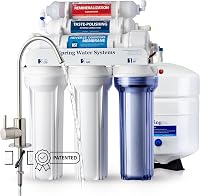
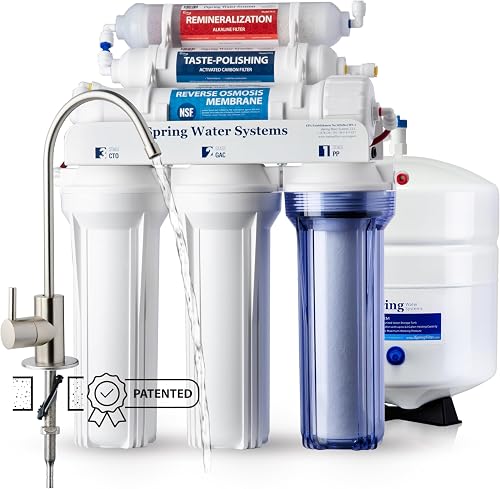
The iSpring RCC7AK-BN is a 6-stage reverse osmosis system with a storage tank. Its product details say it reduces TDS and list reduction claims for substances including lead, fluoride and chlorine.
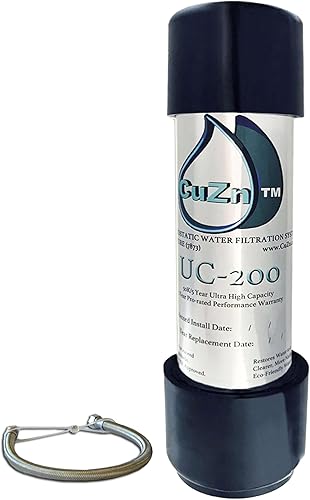
The CuZn UC-200 and Frizzlife 8-Layer Under Sink Filter use carbon-based filtration. Both are described as retaining beneficial minerals, and neither reduces TDS.
What does a carbon filter remove compared with reverse osmosis?
Carbon filters can reduce particular substances, depending on the filter and the claims supported for that system. CuZn says the UC-200 helps reduce chlorine, lead, PFAS and other impurities, while Frizzlife lists chlorine, lead, taste and odor among its reduction targets.
Reverse osmosis can reduce TDS as well as specific substances, but don't assume every RO system has the same performance. Check the certification and reduction claims for the exact model.
If you want to understand the steps in a tank setup, see our plain guide to under-sink reverse osmosis systems. It explains the core parts and what to consider before buying.
Which filter keeps beneficial minerals?
The carbon filters here are designed to retain beneficial minerals; the iSpring RO system adds an alkaline mineral stage. Choose based on the result you want from your drinking water.
The CuZn UC-200 uses a blend of micro sediment membranes, KDF-55 and coconut shell carbon. Its design purifies water without removing beneficial minerals, according to CuZn's product information.
Frizzlife describes its SK99 as keeping beneficial minerals while filtering selected impurities. The manufacturer also says the system does not reduce TDS.
Reverse osmosis filtration can remove dissolved substances, including minerals. The iSpring RCC7AK-BN adds an alkaline mineral stage after RO filtration, so it may suit you if you want RO and a mineral stage in one system.
Is a mineral stage the same as a carbon filter?
No, a mineral stage and a carbon filter serve different roles. Carbon media targets selected impurities, while a mineral stage adds minerals after RO filtration.
The iSpring's mineral stage is part of a 6-stage RO system. It doesn't turn the system into a carbon-only filter or change the fact that it reduces TDS.
If you prefer a simpler filter that keeps minerals, compare the best under-sink water filters that skip reverse osmosis. That guide can help you weigh carbon and other non-RO designs.
How do drain water and installation compare?
A tank RO system needs a drain connection and storage space; the carbon systems here connect inline under the sink. Check your cabinet, plumbing and faucet setup before choosing.
The iSpring RCC7AK-BN includes a storage tank and is an under-sink RO system. RO sends some water to a drain as part of filtration, so the system needs a drain connection and can use more water than a carbon-only filter.
The CuZn UC-200 is designed for direct connection to a kitchen or bathroom sink, with no drilling required. Frizzlife describes its system as an under-sink filter with a twist-in cartridge design.
Installation depends on your existing plumbing and the exact instructions. Measure the cabinet and check the connection points before you buy, especially if you have limited room or a nonstandard faucet.
For a closer look at the upkeep that comes with RO, read why reverse osmosis systems send water to the drain. It can help you decide whether the drain setup is acceptable in your kitchen.
Which system takes less upkeep?
Carbon systems are usually simpler to maintain than a multi-stage RO system, but replacement timing depends on the specific filter and your water. Compare the expected changes and the parts you can get before deciding.
CuZn gives the UC-200 a filter life of up to 5 years or 50,000 gallons, depending on incoming water quality. Frizzlife's SK99 uses replaceable core filters, so you keep the housing when changing the filter.
The iSpring RCC7AK-BN uses several stages, including a membrane and post-filter stages. Its replacement filter sets are offered for different intervals, with the first-stage filter listed at 6 months.
Actual replacement timing can vary with water quality and household use. Our guide to how often to change reverse osmosis filters explains the parts that need attention and how to plan changes.
Which kitchen water filter fits your needs?
Choose based on the substances you want to reduce, the minerals you want to keep and the space you can give the system. A more complex filter is only useful if it addresses your actual concern.
Choose the iSpring RCC7AK-BN if TDS reduction is important and you have room for an RO tank and drain connection. Its NSF/ANSI 58 certification applies to the system, according to iSpring.
Choose the CuZn UC-200 if you want an inline carbon filter with a long stated filter life and mineral retention. It is a better fit when TDS reduction is not one of your goals.
Choose the Frizzlife SK99 if you want carbon filtration with a twist-in cartridge system and NSF/ANSI 42 and 53 certifications. It also keeps beneficial minerals, but it does not reduce TDS.
If your water comes from a well, start with the concerns specific to your source. Our guide to under-sink water filters for well water explains why a water test can help narrow the choices.
What should you check before buying?
Check your water report, the filter's supported reduction claims and the space under your sink. Those details matter more than broad labels such as “purified” or “advanced.”
A utility water report or a test from a qualified lab can help identify substances worth targeting. Then compare that list with the certification and performance claims for the exact model.
Check whether the system needs a dedicated faucet, a drain line, a storage tank or room for cartridge changes. Include the space needed to reach valves and service the filter, not just the footprint of the housing.
Also consider what you want to preserve. If mineral retention matters, a carbon system may fit better; if TDS reduction matters, look at RO systems and their specific certified claims.
Reverse osmosis vs carbon filter: which should you choose?
Pick reverse osmosis if TDS reduction is a priority; pick carbon filtration if you want selected impurity reduction with mineral retention. The iSpring adds a mineral stage, while the CuZn and Frizzlife systems keep minerals without reducing TDS.
Compare the water concern first, then check installation space and replacement needs. For more options across both styles, see our under-sink water filter comparison.
Frequently asked questions
Is reverse osmosis better than a carbon filter?
Reverse osmosis is the better fit when you want TDS reduction, while a carbon filter suits selected impurity reduction with mineral retention. The right choice depends on your water concerns, available cabinet space and upkeep preferences.
Check the exact system's certification and reduction claims for the substances you care about.
Does a carbon filter remove TDS?
The CuZn UC-200 and Frizzlife SK99 carbon systems described here don't reduce TDS. Their filtration targets selected impurities while keeping beneficial minerals.
Reverse osmosis is the option to consider when TDS reduction matters, but compare the certified performance of a specific system before choosing.
Do reverse osmosis systems waste water?
Tank reverse osmosis systems send some water to a drain during filtration, while these carbon filters don't use an RO drain process. The amount depends on the RO system and setup.
Read the system instructions and consider whether a drain connection and added water use fit your kitchen.
Which kitchen filter keeps minerals in the water?
The CuZn UC-200 and Frizzlife SK99 are described as retaining beneficial minerals. Reverse osmosis can remove minerals along with other dissolved substances, and the iSpring RCC7AK-BN includes an alkaline mineral stage.
Choose based on whether mineral retention or TDS reduction matters more to you.