Pelican vs Aquasana Under Sink Filters: Which Is Better? (November 2026)
Pick Aquasana if you want drinking water filtered for lead, PFAS and chlorine; pick Pelican's PC40 cartridge if your sink setup is a sediment pre-filter stage. In this pelican vs aquasana under sink filters comparison, the higher-scored Pelican PC40 wins on raw sediment capacity while Aquasana wins on contaminant coverage at the tap.
On this page (8 sections)
Pick Aquasana if you want drinking water filtered for lead, PFAS and chlorine; pick Pelican's PC40 cartridge if your sink setup is a sediment pre-filter stage. That is the short answer to the pelican vs aquasana under sink filters question, and the rest of this comparison explains when each one earns its place under your counter.
The Pelican PC40 scores highest here at 9.7, and that score reflects what it does best: catching dirt before it reaches your pipes and appliances. The Aquasana Claryum 2-stage scores 9.3 and targets the contaminants people actually taste and worry about at the tap.
They solve different problems, so the right pick depends on your water and your cabinet.
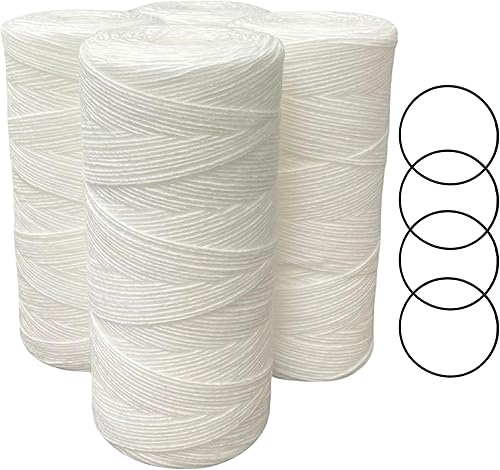
 Best for well water pre-filtering
CFS String Wound Filters for Pelican PC40
Pelican vs Aquasana under sink filters: the quick verdict
Pelican's PC40 is the overall winner for sediment protection, while Aquasana is the better fit for a kitchen that wants cleaner drinking water. The score edge goes to Pelican because it does its one job with real depth: 5 micron filtration in a four-pack that keeps a sediment stage running for a long stretch.
Aquasana wins the moment your goal changes from protecting plumbing to improving what you drink. Its Claryum 2-stage is WQA certified to NSF 42, 53 and 401, and it reduces up to 99.99% of 78 contaminants, including lead, PFAS, chloramines and microplastics.
It keeps beneficial minerals like calcium, potassium and magnesium in the water.
So the split is simple. If your water carries sand, silt or rust and you already own a Pelican housing, the PC40 pack is the practical buy.
If you want a dedicated faucet pouring filtered water for cooking and bottles, Aquasana fits that need.
Neither system reduces TDS. If that is your goal, look at a membrane stage instead and read our comparison of tank vs tankless reverse osmosis to see which layout suits your sink.
One more thing to notice about the Pelican pack: the four cartridges ship as a single box, and the manufacturer part number 6802684 covers all four. The rated 5 micron figure is what matters, because anything larger lets sand and silt slip past into the carbon stage or the pipes behind it.
That is why a sediment stage is judged on its rating and its depth, not on how many bells it has.
The two systems side by side
The table below lines up what each product actually does, so you can see where the jobs diverge. One is a replacement cartridge pack for a housing you supply; the others are complete under-sink systems with a faucet.
| Product | Best for | Filtration | Size | Pack | Our score |
|---|---|---|---|---|---|
| Pelican Water PC40 10 in. 5 Micron | sediment-heavy supply | 5 micron sediment | 10 in. tall, 4 x 4.5 in. | 4 cartridges | 9.7 |
| CFS String Wound Filters for Pelican PC40 | well water pre-filtering | 5 micron sediment | 10 x 4.5 in. big blue | 4 cartridges plus 4 O-rings | 9.5 |
| Aquasana Under Sink Water Filter | everyday drinking water | Carbon block, 2-stage | 8.25 x 4.25 x 9 in. | 9.3 | |
| Aquasana Claryum AQ-6300M-BN | high-flow kitchens | Carbon block, 3-stage | 12 x 4.25 x 12.85 in. | 7.9 |
The Pelican PC40 pack contains four 10-inch cartridges rated to 5 microns. Each filter lasts about 6 to 9 months depending on usage, and the pack fits Pelican systems including the PC600/PC1000, NS3/NS6, PSE1800/PSE2000 and the WF4/WF8 and WF6/WF10 lines.
It is a sediment stage, not a complete drinking water system.
The cartridges measure 4 inches deep, 4.5 inches wide and 10 inches tall, and the pack weighs 7 pounds in total. The body is polypropylene, the same plastic used across most sediment cartridges, which keeps replacements affordable and the material safe for potable water.
The Aquasana 2-stage arrives as a kit with the system, filters, faucet and installation parts. It measures 8.25 by 4.25 by 9 inches and needs about 12 inches of space under the sink plus clearance.
The 3-stage Max Flow is larger at 12 by 4.25 by 12.85 inches and asks for 15.85 inches of cabinet height.
Both Aquasana models run on household pressure between 20 and 80 psi and are rated down to 40 °F, so a cold supply line is fine but a hot line is not. Keep that in mind if you are tapping a line near a water heater.
What each system filters out
Pelican removes particles; Aquasana removes particles plus dissolved contaminants. That difference is the core of the pelican vs aquasana under sink filters decision, and it decides which one belongs in your kitchen.
The PC40 works as a depth sediment filter. It traps dirt and debris down to 5 microns, which protects appliances from sediment build-up and wear.
The benefit is mechanical: fewer particles reach your pipes, your water heater and any carbon stage sitting behind it. It does not touch chlorine, taste or odor.
Aquasana's Claryum technology combines activated and catalytic carbon with ion exchange and sub-micron filtration. Aquasana says the 2-stage is certified to reduce 99.6% of microplastics and lead, 99.7% of PFAS (specifically PFOA and PFOS), 97.3% of chlorine and 91% of chloramines.
The certification covers NSF/ANSI 42, 53 (including P473) and 401. It also lists reductions for mercury, herbicides, pesticides and pharmaceuticals.
When sediment filtration is enough
Choose a sediment-only stage when your water is visibly cloudy, leaves rust stains or carries grit after rain. A whole-house sediment filter ahead of the sink often does this work, and the PC40 cartridges keep that stage healthy.
If the water is clear and the only complaint is taste, a sediment cartridge won't fix it. Move to carbon filtration for that, and read our guide to the whole house water filter vs under sink setup to see where each stage sits.
When you need carbon at the tap
Choose Aquasana when lead, PFAS or chlorine is the concern. The 2-stage retains minerals rather than stripping everything, which many households prefer for drinking and cooking water.
Its dedicated faucet in brushed nickel gives you filtered water without changing the main tap.
The filter body is carbon block with a metal faucet, and the set is rated for 500 gallons or 6 months. Aquasana states that each set replaces the equivalent of 3,750 plastic water bottles, which is a useful way to think about the swap if bottled water is your current habit.
Which one fits your cabinet and plumbing
Aquasana needs cabinet height and a faucet hole; Pelican needs a compatible housing already installed. Measure before you order, because a filter that doesn't fit the space is a return waiting to happen.
The Aquasana 2-stage is the compact option. At 9 inches tall it fits most base cabinets with 12 inches of clearance, and its kit includes the faucet and parts for under-counter installation.
Aquasana describes it as a DIY install with a 1-year limited warranty and phone support.
The 3-stage Max Flow takes more room. At 12.85 inches tall it needs 15.85 inches under the sink, so it suits deeper cabinets or a clear bay.
In return it adds a 5 micron pre-filter that catches rust, sediment and silt before they clog the carbon stages. That pre-filter is the same rating as the Pelican PC40, which shows how a sediment stage slots in ahead of carbon.
The Pelican PC40 is a cartridge, so the housing sets the footprint. It fits 10-inch big blue style housings in the Pelican range.
If you already run a Pelican sediment stage, changing cartridges is a twist and lift job. There is no faucet, no wiring and no new hole to drill, which is the quiet advantage of the cartridge format.
Space-saving choices for small cabinets
A narrow cabinet favors the Aquasana 2-stage. If height is the limit rather than width, that is the model to check first.
The 3-stage makes sense when you have the room and want the faster flow.
If the cabinet is already crowded with a disposal and a shutoff valve, the Pelican cartridge route asks less of the space, because it only needs the housing you already have. Adding a faucet hole is the step people forget when they plan a complete system.
Checking your existing setup
Look at what is already under your sink before choosing between these brands. A Pelican housing means the PC40 pack is a simple swap.
A bare cabinet with no filter means a complete system like Aquasana is the cleaner starting point. Either way, measure the housing first: 10 by 4.5 inch big blue is the format the PC40 and the CFS wound cartridges both use.
Flow rate and daily use
The Aquasana 2-stage runs at 0.5 gallons per minute and the 3-stage at 0.72, both faster than a pitcher. Sediment cartridges don't set a flow figure of their own; they pass water at whatever rate the housing allows until they clog.
For filling a water bottle or a pot, 0.5 gallons per minute is workable. Aquasana notes it is 5 times faster than a leading pitcher filter.
The Max Flow's 0.72 gallons per minute is 7 times faster and makes more sense in a busy kitchen where several people draw water at once.
The Pelican cartridges affect flow differently. As they load with sediment, pressure at the tap drops.
That drop is your cue to change them, and the four-pack means you have spares on hand when it happens. A wound cartridge from CFS works the same way but loads more slowly, which matters when your water is really dirty.
Capacity, replacement and running cost
Pelican's four-pack spreads replacements over years of use, while Aquasana's sets are rated by gallons. The numbers below are about how often you revisit the job, not about price.
Each PC40 cartridge lasts about 6 to 9 months depending on usage, so a four-pack covers a long stretch of changes. That fits a household that would rather buy once and store spares than order a single cartridge every time pressure drops.
On a clean municipal supply you will likely land near the 9 month end; on well water with grit, nearer 6 months.
Aquasana rates its 2-stage set at 500 gallons or 6 months and its 3-stage set at 800 gallons or 6 months. Aquasana says the 2-stage set replaces the equivalent of 3,750 plastic water bottles, and the 3-stage set replaces 6,000.
Changing a set is a twist-off job on both models.
Sediment first, carbon second
If you run both kinds of filtration, put sediment ahead of carbon. A cheap sediment cartridge catches the grit that would otherwise shorten a carbon block's life.
The PC40 pack handles that role well, and the CFS string wound filters do the same job with depth media for dirtier supply.
The sediment alternative for well water
On a well, sediment loads faster. CFS makes a 5 micron string wound cartridge in the 10 by 4.5 inch big blue size that fits PC40 housings and traps sand, silt and rust through every layer of wound polypropylene.
It holds more debris and clogs slower than a surface filter of the same rating.
The CFS pack also includes four O-rings, one for each cartridge change. CFS notes the O-ring is what seals a housing, so replacing it at every change is cheap insurance against a leak.
The cartridge carries no carbon, so pair it with a carbon stage if taste matters. Our guide to the under sink water filter for well water explains how to stack these stages.
Who should buy which
Buy Pelican if your priority is protecting plumbing from sediment; buy Aquasana if your priority is cleaner drinking water. Here is the decision in plain terms.
Pick the Pelican PC40 pack when you already own a compatible Pelican housing, your water carries visible grit or rust, or you want spare cartridges on the shelf. It is also the sensible first stage for a well system, with CFS string wound cartridges as the heavy-duty alternative when sediment loads are high.
Pick the Aquasana 2-stage when you want a complete system with a dedicated faucet, your cabinet has about 12 inches of height, and lead, PFAS or chlorine is the concern. Pick the 3-stage Max Flow when you have nearly 16 inches of cabinet height and want faster flow plus a pre-filter for light sediment.
If you are still weighing brands within the carbon category, our waterdrop vs aquasana under sink water filter comparison covers the other common pairing.
The verdict
For most kitchens, Aquasana's Claryum 2-stage is the under sink system to buy, while the Pelican PC40 pack is the best sediment stage for dirty supply. The overall pelican vs aquasana under sink filters call depends on the job, but the split is clear.
Aquasana gives you certified contaminant reduction at the tap, a compact 9-inch cabinet footprint, and 500 gallons per filter set. That covers what most households actually want from a drinking water filter.
The 3-stage Max Flow is the upgrade when cabinet height allows and flow matters.
Pelican earns its 9.7 for a different reason: it does sediment filtration thoroughly and in bulk. If your water is cloudy or gritty, or you already run a Pelican housing, the PC40 four-pack is the practical pick.
Pair it with carbon downstream and you get both jobs done. Start with your water report and your cabinet measurements, then choose the stage that solves the problem you actually have.
Frequently asked questions
Do Pelican and Aquasana under sink filters do the same job?
No. Pelican's PC40 cartridges are sediment filters that catch particles down to 5 microns.
Aquasana's Claryum systems add carbon block filtration certified to reduce lead, PFAS, chlorine and more.
Pick Pelican for dirt and Aquasana for drinking water quality.
Can I use a Pelican PC40 cartridge in an Aquasana system?
No. The PC40 is a 10-inch sediment cartridge for Pelican housings, while Aquasana systems use their own twist-off Claryum filter sets.
Match the cartridge to the housing you already own before ordering.
Which system is better for well water?
Start with a sediment stage like the Pelican PC40 or CFS string wound cartridge to protect the system from sand and silt. Then add carbon filtration for taste if the water needs it.
Our guide to the under sink water filter for well water walks through the order.
How often do these filters need changing?
Pelican's PC40 cartridges last about 6 to 9 months depending on usage. Aquasana's 2-stage set covers 500 gallons or 6 months, and the 3-stage Max Flow covers 800 gallons or 6 months.
Sediment cartridges often need changing sooner on dirty supply.
Will an Aquasana system remove TDS?
No. Aquasana's Claryum filters reduce contaminants but not total dissolved solids, so the mineral content stays in the water.
If you want TDS lowered, you need a reverse osmosis stage instead.
How much space does each system need under the sink?
The Aquasana 2-stage measures 8.25 by 4.25 by 9 inches and needs about 12 inches of cabinet height. The 3-stage Max Flow needs 15.85 inches.
A Pelican PC40 is a cartridge that fits an existing big blue housing, so the housing sets the space.


